Learning to Love
Me?
Over the last week, I’ve thought often about the lasting effects of the story of original sin. I learned this concept as a small child while the other children in my church were learning cute songs complete with hand motions (“Oh I’m in the Lord’s army!” and “Jesus loves the little children” come to mind). How and why it affected me seem to be due—at least in part—to an interaction between my sensitive nature, vivid imagination, and trust that the adults in my life were truthful when they told me that I was unpleasing to God in my default state. “Oh, wretched man that I am! Who shall deliver me from the body of this death?”
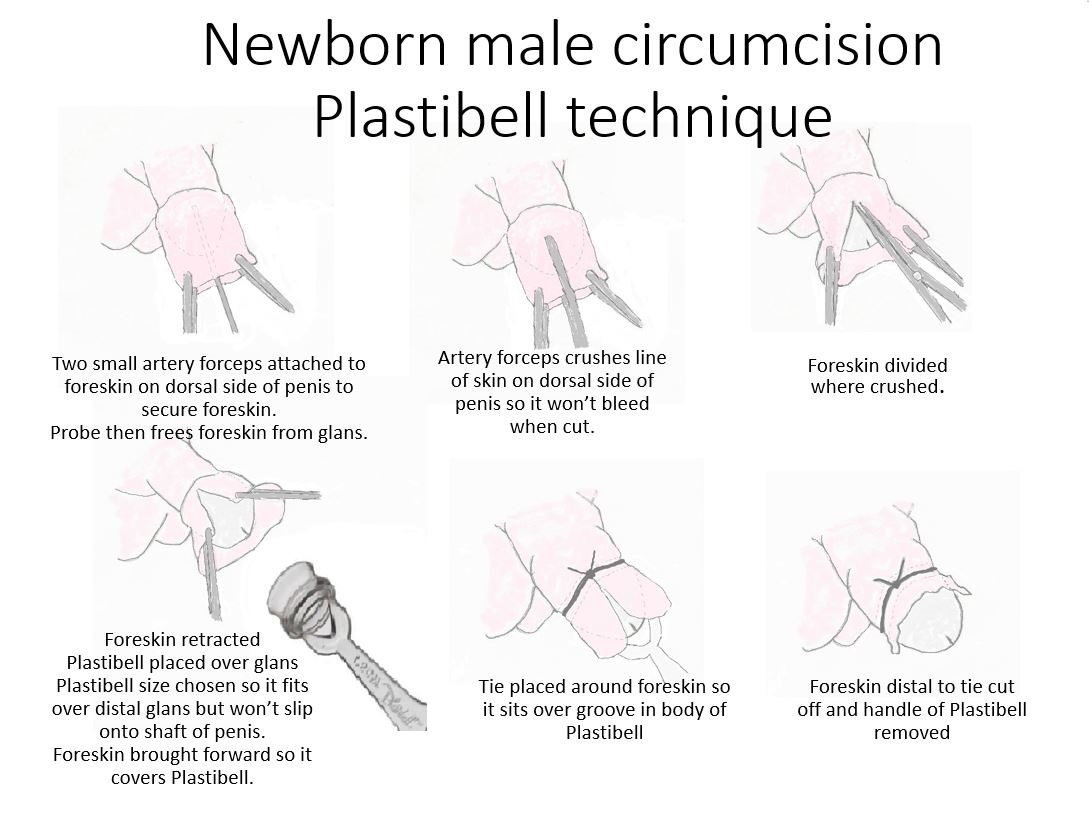
Maybe it was when I learned that I had been circumcised that I began to sense the harm that my parents’ religion was capable of inflicting. I might have been six or seven, looking at the Plastibell ring in my baby book, when my mom explained what had been done to me in the name of religious tradition and cleanliness. I felt ashamed and abused, the extent to which I didn’t realize until I inflicted the same harm on my oldest child for the same reasons. “Train up a child in the way they will go…” Seeing the gruesome aftermath firsthand, I finally understood Zipporah’s disgust when she threw the foreskin of her son at the feet of Moses, scolding, “Surely you are a bloodthirsty husband.” My god, what have we done to our children? Why have we told them that they are vile in the eyes of their creator? So vile that it demands a blood sacrifice?
By seven, I knew that I was disgusting to God to the point that I could not be looked upon without there being some barrier between myself and God. I learned that I was not, in fact, “precious in His sight” like the song my peers had been singing attested. Instead, I was not even tolerated “just as I am.” Around that same time, I learned that I would be powerless against the wiles of Satan if I failed to shroud myself in the “precious Blood of the Lamb.”
That barrier, the perfect sacrifice of the Blameless One who spilled His blood upon a crucifix, could be applied to anyone who believed in their heart that Jesus was the one true Son of God, that he was sinless, and that he died but came back to life on Easter Sunday to atone for our sins. “All you have to do is to believe” grossly misrepresents the simplicity of the situation. I worried as a child that I might begin to doubt the story I’d been told. Curiosity was my enemy, it seemed.